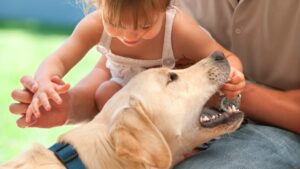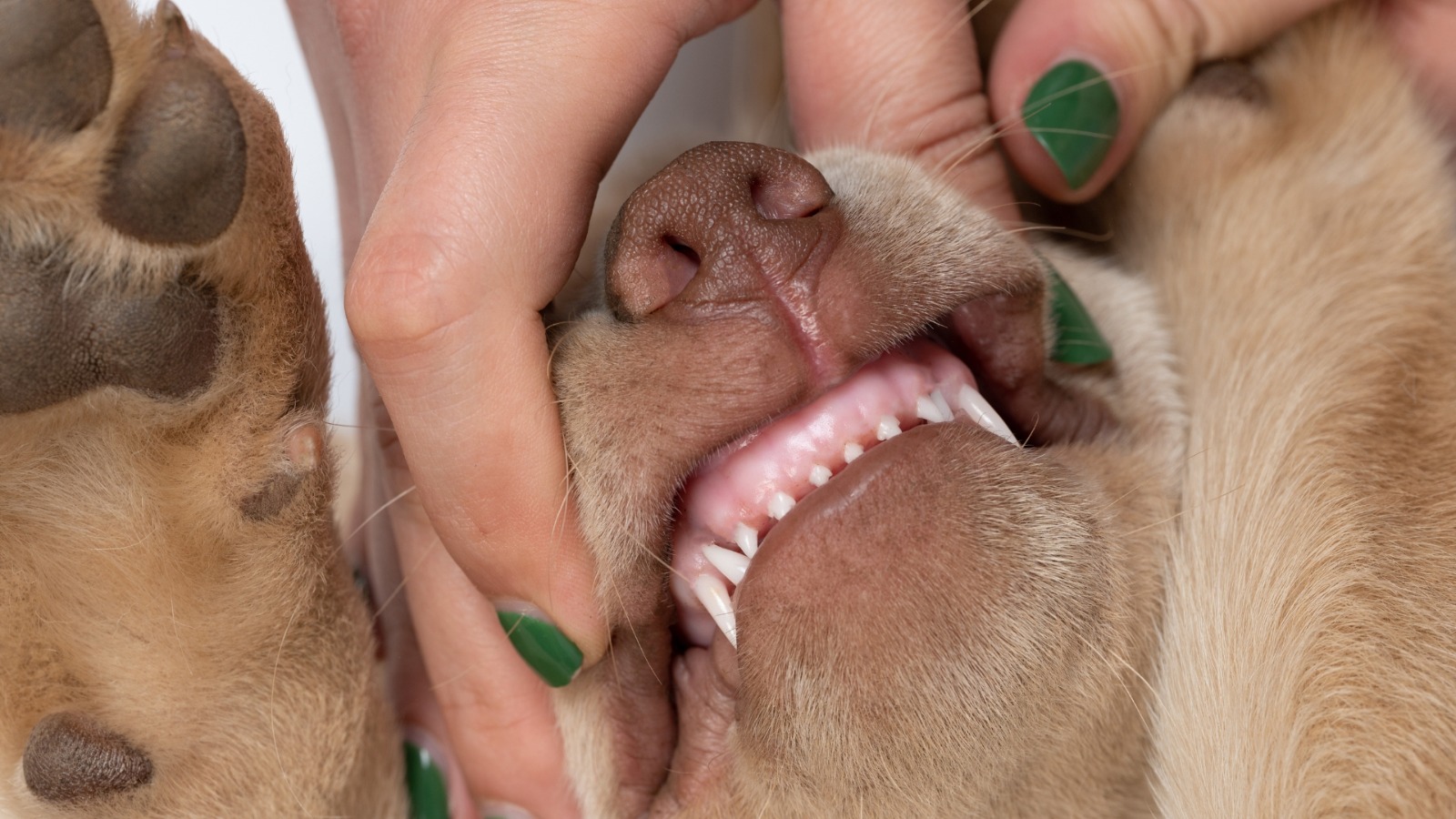


It all started 3 years ago, around 9:00 AM, when I saw something tiny and white in Casper’s eating bowl while he was eating. I got up to remove that thing from his bowl, and when I picked it up, I was stunned. It was a teeny-tiny baby tooth of Casper. I panicked, was surprised, and told my mum and dad about it. As soon as breakfast was over, we went to see the vet.
The vet told us that it was all good and not a matter for concern. He explained that pups lose their teeth when they are about 12 to 16 weeks old.
So, in this article, we are gonna be talking about lab pups losing their teeth and growing new ones. Read on further to get the vet-approved tips to care for your pup’s teeth while he is growing new ones. So, let us dive into this article and break down how to comfort your pup while teething.
Do Labrador puppies lose their teeth?
- Yes, lab pups do lose their teeth. They grow their baby or deciduous teeth as soon as they are about 3 to 4 weeks old. By 6–8 weeks, they have grown their full set of 28 baby teeth.
- By around 12 to 16 weeks, they start losing their baby teeth. These tiny baby teeth are replaced by mature ones. This phase can be an extremely uncomfortable and mildly painful one.
- By around 6 to 7 months of age (when they are adolescents), they grow all their mature teeth. Mature or adult labs have 42 teeth — 20 on top and 22 on the bottom.
- By the time they are half a year old, their baby teeth are replaced by big and strong ones. This phase of losing teeth and growing new ones can be both hilarious and overwhelming.
Is teething painful for your Labrador puppy?
Yes, teething can be a painful and overwhelming experience for your lab pup, but that doesn’t mean it is unbearable. Let me give you a detailed explanation of how lab pups feel when losing their teeth and growing new ones:
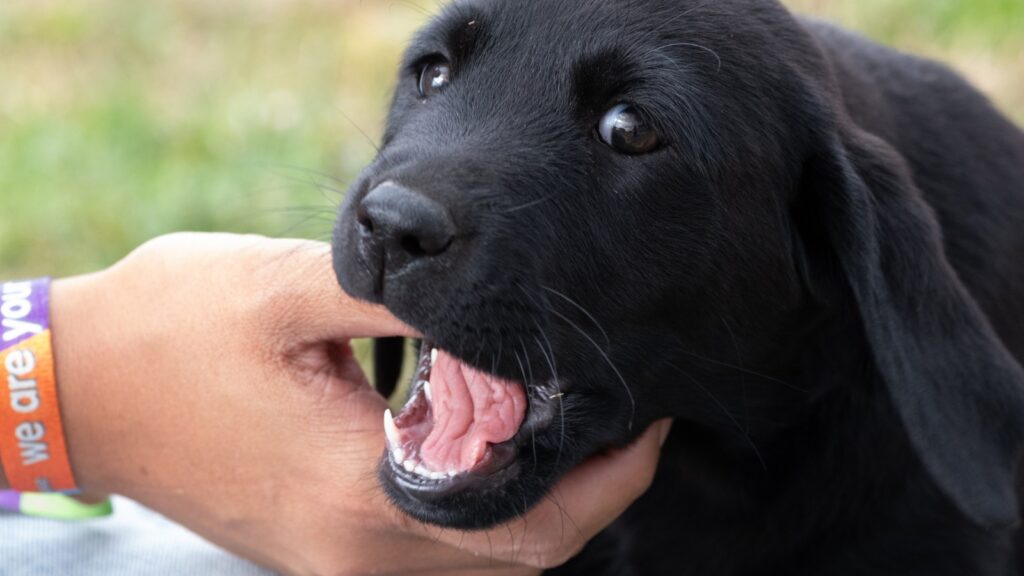
- While they are losing their baby teeth (around 12 to 16 weeks old), their gums become sore and itchy as new teeth push through.
- During that phase, you may notice that your pup is chewing everything that comes in front of him – he is not doing this to be naughty but to ease the itchiness and pain that teething is causing.
- Also, puppies drool more than usual or act a bit fussy while eating. Don’t panic — it is completely normal. This is your lab’s way of easing the pain that teething causes.
What are the signs that your lab pup is teething?
Your pup may show some signs while he is teething. Some signs to look out for are:
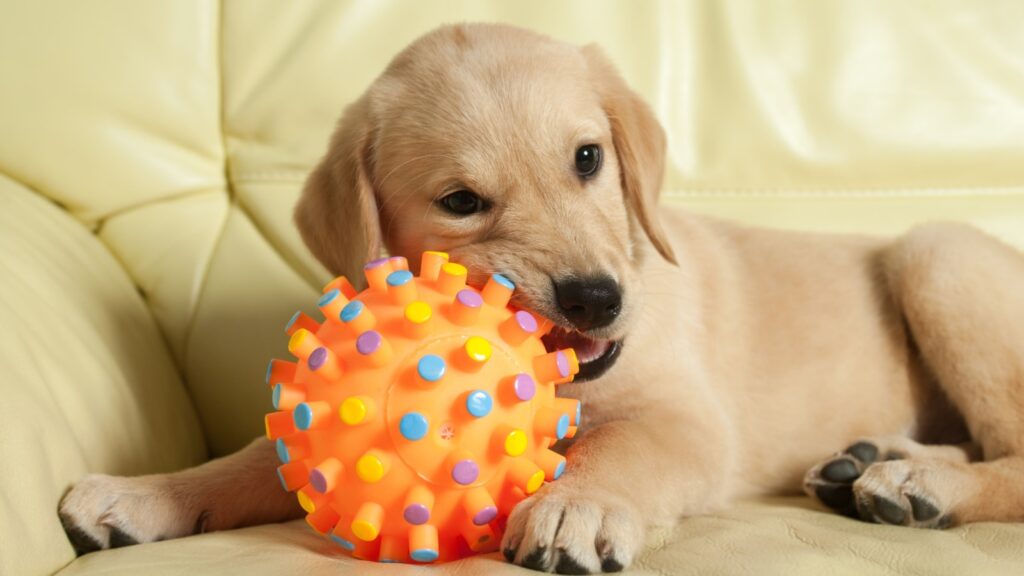
- You may see a white tooth near his toys or in his food bowl (just like I found Casper’s first tooth).
- You may also see blood spots on his toys or whatever he chews on.
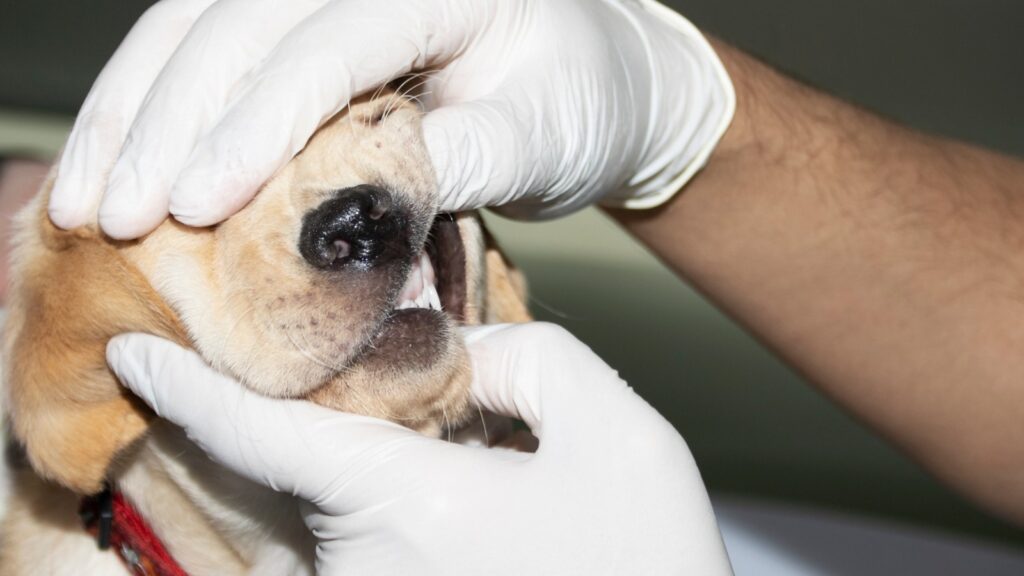
- You may notice some missing teeth whenever he opens his mouth. Just don’t worry or start panicking — it is completely normal.
- He may suddenly start growling and chewing on whatever he finds. He may also be eating less.
How can you comfort your lab pup while he is teething?
Lab pups, like human babies, lose their teeth and develop new ones. This phase may seem mildly painful and overwhelming for both dog parents and labs. Here are a few tips that can comfort your lab – and these are vet-approved:
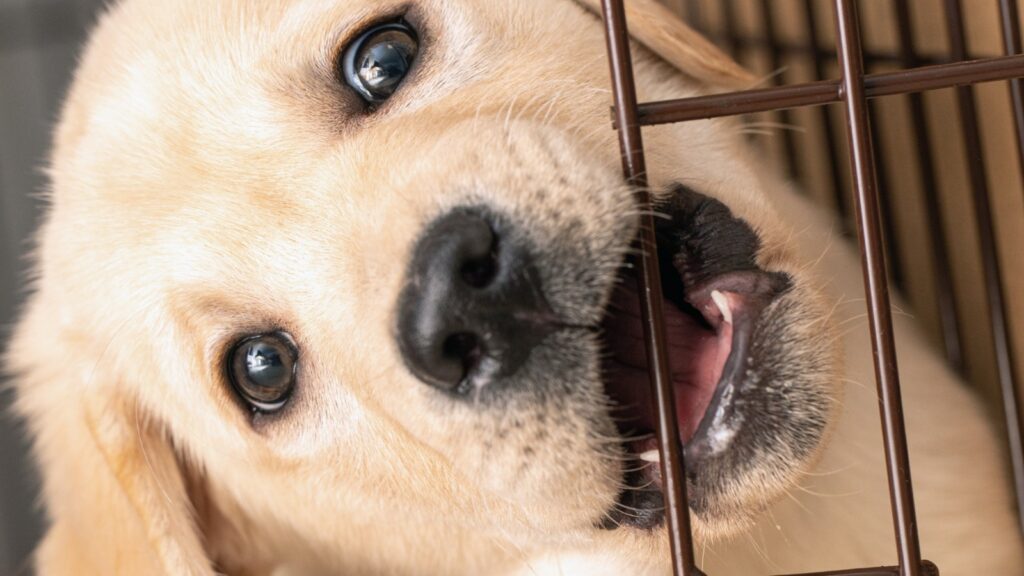
- You can offer your pup safe rubber chew toys, which can also be chilled in the fridge. This can give a soothing effect.
- Avoid giving your lab pup hard things like real bones, hard toys, or food that can hurt their gums.
- Give your little one a cold washcloth to help relieve pain.
- Keep your pup hydrated by giving them fresh and chilled water, which can help calm gum irritation.
- Give their gums a gentle massage — this helps to soothe the swollen areas.
- Don’t punish them for nibbling on your furniture or toys, but calm them down and be loving. Remember, chewing in this phase is not bad behaviour but a relief for them.
When to look out for the vet?
Teething is a short yet important phase in a Labrador’s life. During this phase, your little one needs you, and you should keep a proper eye on him. Some dog parents may notice something unusual about their lab’s teething, like bleeding, swelling, and more. Here are the signs to look out for:
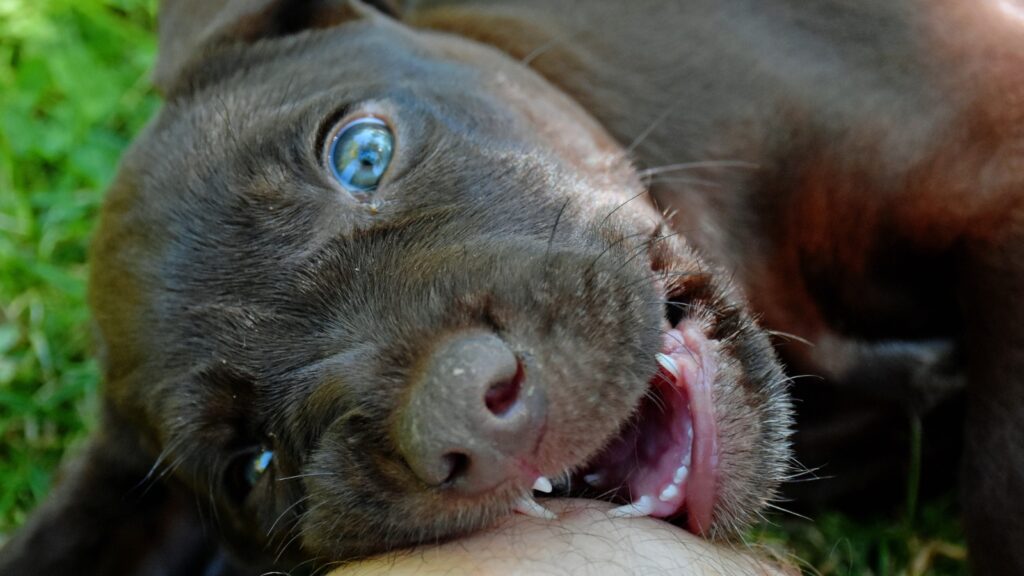
- Your puppy’s teeth do not fall out even after 7 months.
- If you notice heavy bleeding, severe swelling of the gums, or bad breath. Remember, mild bleeding and some swelling are normal, but in cases of heavy bleeding or severe swelling, you should consult the vet.
- If your pup refuses to eat or cries while eating.
- If there is a broken or crooked adult tooth coming in.
Conclusion
Teething can be a phase of worries and pain — those sore gums, bleeding gums, and bad breath make it very uncomfortable. Teething can also be a phase of hilariousness, just like my Casper’s. But proper care can comfort the pup — and you too. Visit the vet if anything seems abnormal. Healthy teeth lead to a healthy Labrador adult.
If you have another enquiry the comment box is down. Stay tuned for more such articles. Bye and have a nice day!